
High Net Worth Divorce in Charlotte
More Than 70 Years of Combined North Carolina Family Law Experience
Substantial estates raise financial and legal questions that don’t arise in a routine divorce. Business interests, investments, retirement benefits, executive compensation, real estate, trusts, valuable personal property, and significant debts may require separate classification and valuation.
We handle complex asset division for business owners, executives, licensed professionals, and individuals of high net worth. Our attorneys consider the estate’s financial structure alongside support obligations, family priorities, liquidity needs, and the practical consequences of proposed settlement terms.
Discuss your high net worth divorce with our Charlotte family law attorneys. Call (704) 659-0007 to arrange a consultation.
Serving Charlotte in Complex Family Law Matters Since 2010
Rech Law, P.C. has served Charlotte and the surrounding region since 2010. Our experience in North Carolina family law includes divorce matters involving complex property and asset division.
We tailor our advice to each client’s rights, finances, and family circumstances. That begins with identifying the central financial questions, determining which records are needed, and developing a strategy for negotiation, mediation, collaborative divorce, or litigation.
-
Our Team
-
Blog
-
Resources
-
Testimonials












Family Law Cases We Handle
Strategic Planning & Guidance for Your Needs


How North Carolina Equitable Distribution Applies to Substantial Estates
North Carolina equitable distribution is the legal process for identifying, classifying, valuing, and dividing marital and divisible property. The analysis generally begins with an equal division of net marital and divisible property. A court may instead order an unequal distribution after considering the factors established by state law.
Property acquired during the marriage and before separation is generally presumed marital. Assets acquired before marriage or received individually by gift or inheritance may qualify as separate property, depending on the evidence and how they were handled. Divisible property can include certain post-separation changes in value, passive income from marital property, and property rights resulting from efforts made during the marriage.
Classification becomes more difficult when spouses combine separate and marital funds, change ownership during the marriage, or disagree about whether an asset belongs in the divisible estate. Account statements, deeds, ownership records, tax filings, and documents tracing gifts or inheritances can become central to the analysis.
Assets That Demand Detailed Financial Analysis
A high-asset divorce may involve property that can’t be assessed through a single account balance or appraisal. Ownership restrictions, taxes, debt, marketability, income production, and the applicable valuation date can all affect how an asset is treated.
Complex marital estates frequently include:
- Closely held businesses and professional interests: The analysis may address ownership, marital contributions, income, liabilities, liquidity, value, and the consequences of retaining or transferring an interest.
- Investment accounts and securities: Records may be needed to trace contributions, reinvested income, market changes, withdrawals, and post-separation activity.
- Retirement and deferred compensation: Vested and nonvested pensions, retirement plans, stock-based compensation, and deferred benefits may call for different valuation and distribution methods.
- Real estate: Primary residences, rental properties, vacation homes, and other holdings can present questions about value, debt, cash flow, and ownership.
- Trusts, inheritances, and valuable personal property: Classification may depend on the source of the property, transfer documents, account history, and how the property was handled during the marriage.
Building a Reliable Financial Record
Understanding the full estate often requires organized documentation. Relevant materials may include personal and business tax returns, bank and investment statements, payroll records, ownership agreements, loan documents, estate-planning records, property records, and evidence of gifts or inheritances.
The analysis may compare reported income, spending, business activity, and changes in net worth with the available records. Whether a case calls for an appraiser, forensic accountant, or another financial professional depends on the assets involved, the disputed issues, the quality of the documentation, and the legal strategy.
Choosing Between Settlement, Mediation & Litigation
Spouses may resolve complex financial issues through direct negotiation, mediation, collaborative divorce, or court proceedings. Mecklenburg County’s 26th Judicial District provides alternative dispute-resolution methods for equitable distribution and other family financial cases. The appropriate process depends on cooperation, reliable disclosures, timing, and the nature of the disputes.
We provide mediation services and represent high-net-worth individuals, business owners, executives, and licensed professionals in collaborative divorce. A collaborative team may include both spouses and their attorneys, a neutral financial professional, and, when custody is involved, a neutral facilitator. Discussions may cover property, debts, child-related agreements, support, alimony, asset retention, and liquidity.
Litigation may be necessary when the parties can’t obtain dependable information, agree on classification or value, or reach workable terms. We assess the records and disputed legal issues before advising clients about the costs, risks, and practical consequences of each path.

Meet Our Family Law Team
Put 70+ Years of Combined Experience on Your Side
-
 Kate Rech Founding Attorney
-
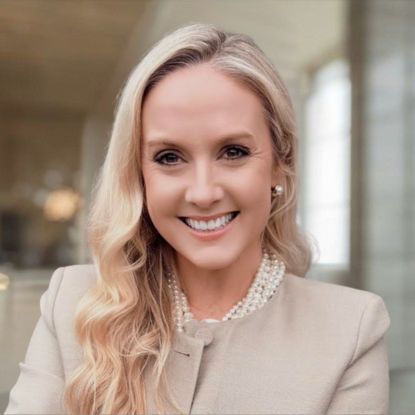
Katie Gilbert Partner, Family Law Board Certified Specialist
-
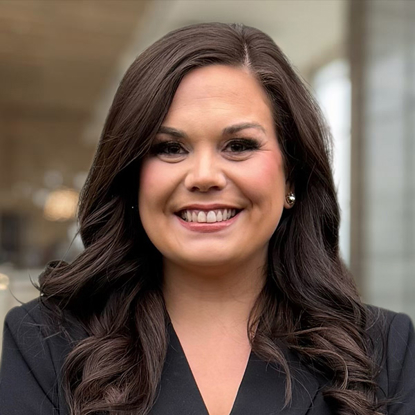
Amanda Smith Partner
-
Mihai Salagean Senior Attorney
-
Alaina Prevatte Senior Attorney
-
Maddison Clark Senior Attorney
-
Trey Schopen Attorney
-
Jasmine Singleton Attorney
-
Cameron Pressley Attorney
-
Brandon Spalding Attorney
-
Gabby Conforte Attorney
-
Ashley Frank-Thomas Senior Paralegal
-
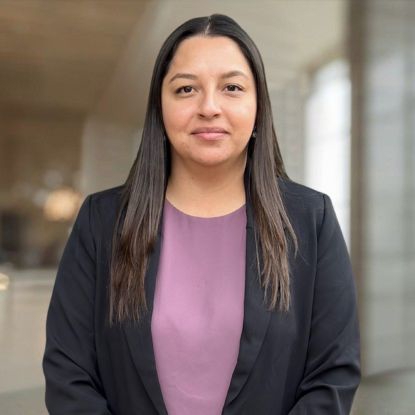
Itzel Orozco Senior Paralegal
-
Laura Alejos Senior Paralegal
-
Mia Graves Paralegal
-
Bryce Rech Director of Business Development
-
Katherine Ackerly Director of Operations
-
Jon Knode Finance and Client Relations Coordinator
-
Caroline Johnson Legal Administrative Assistant
-
Jack Meyer Legal Office Administrator

















Making a Difference in Our Client's Lives
Read Our Reviews
Direct Guidance for High-Stakes Financial Decisions
Our clients work directly with attorneys familiar with North Carolina divorce law and Mecklenburg County family-law proceedings. We offer the individualized attention of a small-firm environment while guiding clients through the legal and financial decisions involved in a substantial marital estate.
We answer questions as the case develops and explain how new information may change the available options. During collaborative settlement discussions, we provide candid guidance about potential outcomes, costs, and risks so clients can assess proposed terms and their long-term implications.
Clarify Your Financial Priorities Before Moving Forward
A divorce consultation gives you an opportunity to identify the major assets, debts, support questions, and immediate financial concerns affecting your situation. We can discuss relevant records, possible legal paths, and whether our services fit your needs.
Bring the information currently available to you. You don’t need to resolve every valuation or classification question before speaking with our attorneys.
Call (704) 659-0007 to schedule a consultation with Rech Law, P.C..
-
"Kate’s attention to detail, speed, attitude, and ability to adapt to new situations as they came up were invaluable assets that helped my divorce proceed smoothly."Kate’s attention to detail, speed, attitude, and ability to adapt to new situations as they came up were invaluable assets that helped my divorce proceed smoothly.- Former Client
-
"Kate Rech was not only professional and thorough but had excellent in court presence that came through for me time and time again."In my opinion, her greatest attribute is one that is not often found today and that was her compassion for her clients.- Former Client